Contact us
 01 53 32 75 75



Contact us
01 53 32 75 75
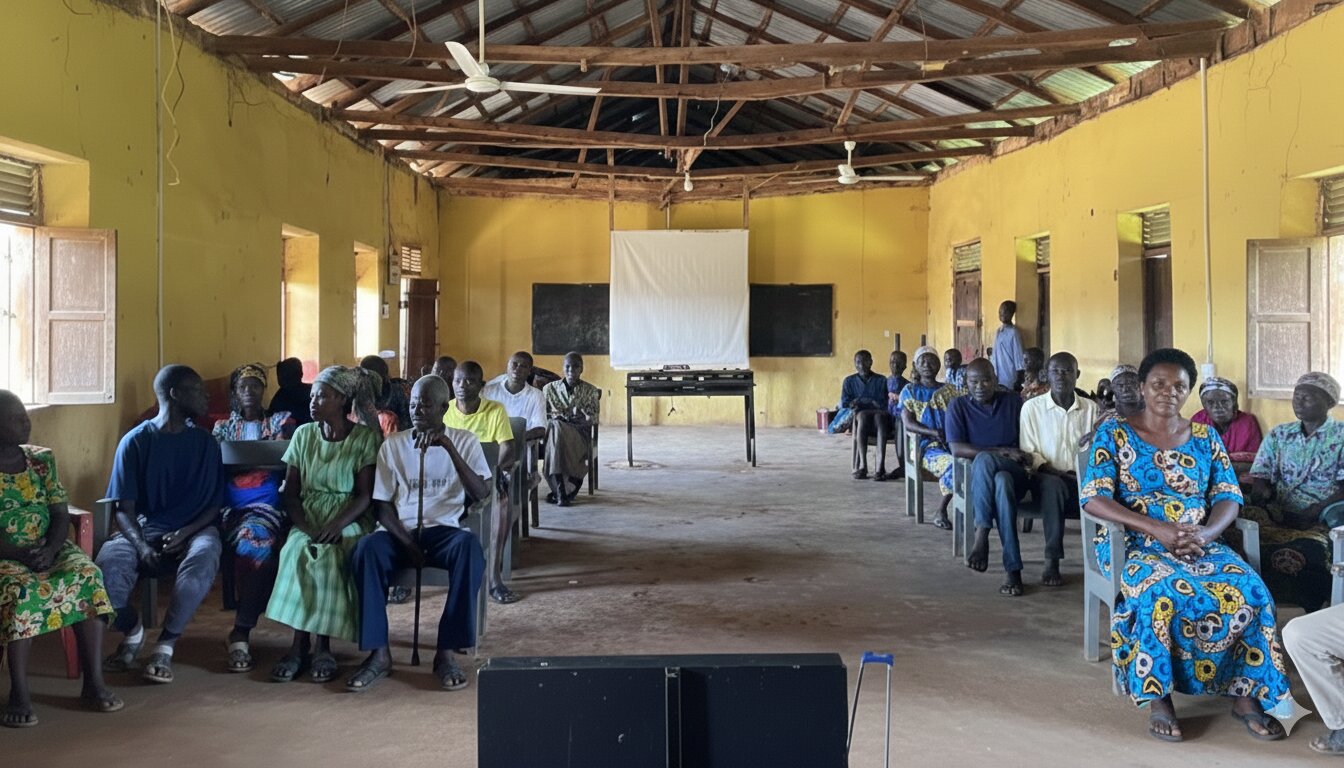
As climate change increasingly affects vulnerable sectors across Africa, Advans is leveraging microfinance in Africa expertise to assess and mitigate climate risks for its clients. By integrating climate risk analysis into its portfolio management, Advans is demonstrating the critical role of financing climate change adaptation for micro and small enterprises.
As part of the deployment of its climate strategy, with the support of the European Investment Bank (EIB) and British International Investment (BII), and the expertise of Horus, Advans began assessing climate risks on its client portfolio in Ghana in September 2022. The climate risk analysis involves identifying the most prevalent climate hazards in Advans’ countries of operation, such as floods, water stress, or extreme heat, and determining the level of exposure to these hazards in the areas where Advans’ clients are located. The next step is to assess the vulnerability of a client’s activity to each hazard in terms of income or assets.
For example, if an area is heavily affected by water stress, the income of an agricultural activity that requires a lot of water will likely be more affected than that of a commercial activity such as clothing sales, which does not require water at all. Similarly, a flood could have severe impacts on any business with significant unprotected assets. These two scores (geographic exposure and sectoral vulnerability) are then combined to produce an average physical risk, which is used to determine each client’s overall vulnerability. Additionally, Advans seeks to understand the transition risks that could affect each sector over the next 15 years, such as rising costs, stricter local or international regulations, or changes in demand.
The first analysis showed that sudden floods were the most significant risk for Advans’ clients in Ghana, with extreme heat also becoming a threat in some regions in the future. Sectors such as agriculture, leisure services, and perishable food products are the most exposed to climate risks. 81% of Advans Ghana staff reported noticing the effects of climate change, and some clients interviewed during the study have already been severely affected by events such as floods. Some clients have already taken measures to adapt their infrastructure or business practices, while others, particularly micro-entrepreneurs, remain highly vulnerable to climate risks.
Building on this initial analysis, Advans aims to better integrate climate risks into its credit policies and processes in order to continue supporting key sectors while assisting the activities and clients most exposed to climate change. This will involve, beyond the standard climate risk assessment described above, evaluating clients’ individual adaptation practices and, if necessary, determining how Advans can better help them face climate challenges through both financial and non-financial services. Specifically, Advans aims to strengthen client resilience through awareness campaigns and training to help mitigate climate risks. It will also adapt its lending, savings, insurance, or combined financial products and services accordingly.
The next step for the group will be to conduct similar global portfolio analyses in Tunisia and Côte d’Ivoire throughout 2023.
Through these initiatives, Advans is showing how microcredit in Africa and partnerships with international microfinance institutions can help businesses anticipate and adapt to climate risks. By combining tailored financial products with training and support, Advans strengthens resilience while promoting sustainable growth for micro-entrepreneurs across its markets.