


Amplifying our Impact
Advans’ goal is to create value and impact for our clients, primarily entrepreneurs in the informal or semi-formal sector (artisans, traders, farmers, etc.), by helping them grow their activities, strengthen their resilience and financial health, and improve their living conditions.
To ensure that our services generate positive results and contribute to a brighter, greener, and more equitable future, Advans has defined five social goals aligned with the United Nations Sustainable Development Goals (SDGs).
Advans aims to lead projects around these social objectives to ensure that our services are developed and deployed in line with the needs of our customers and the context of our evolving markets.
We believe that by constantly seeking to improve our environmental and social practices, we can ensure that we remain a responsible player in the financial inclusion industry.
This approach is rooted in a set of strong values that guide each of our actions, such as openness to all, a commitment to lasting impact, an entrepreneurial spirit and innovation.
Measuring Impact
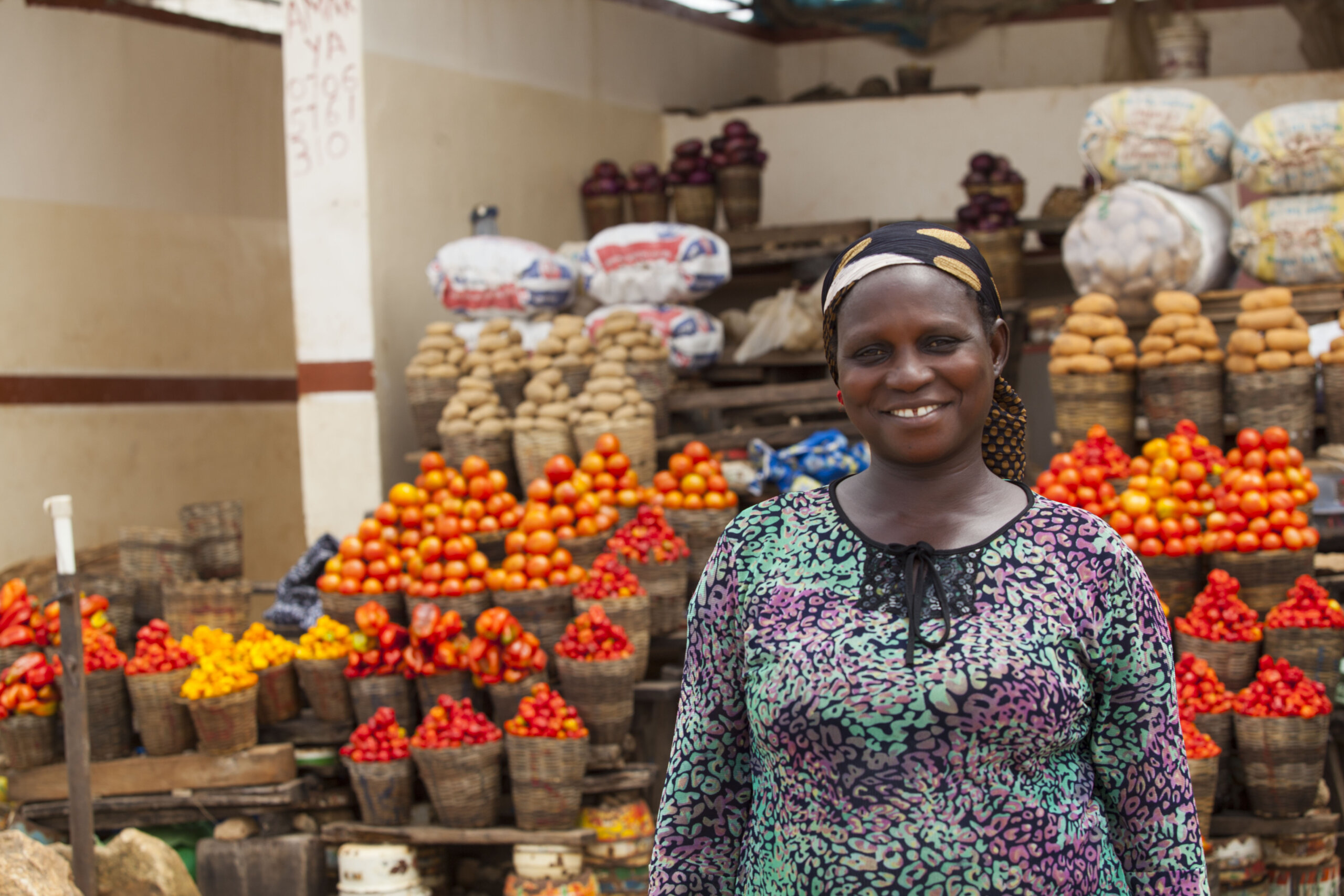
Evaluating the impact of our actions on customers’ activity and standard of living is essential to our mission. This is why we regularly measure their level of satisfaction, their progress, and our ability to meet their needs, using internal data and recognized methodologies, such as the 60 Decibels Index. These studies also allow us to identify areas for improvement and ensure that our services are provided transparently and responsibly. Our impact results are available in a dedicated annual report.


Women and microfinance
Advans is committed to facilitating the financial inclusion of women and strives to break down barriers to accessing their financing while providing them with transparent and easy-to-understand information. Microfinance for women entrepreneurs means a lot to us and several of our subsidiaries offer them tailored products and services. Thanks to our partners, we are proud to be able to offer them coaching and financial education programs providing them with key advice for the development of their business. In this context, the presence of women in Chief Executive Officer and Deputy Chief Executive Officer positions reflects the group’s commitment to promoting female talent and the importance placed on an inclusive and progressive work environment.

Client Protection
Advans is committed to protecting its customers and promoting responsible financial inclusion practices by complying with new Customer Protection Standards as part of the Customer Protection Journey. These standards guide financial service providers to promote best practices to protect vulnerable customers. In 2025, two of its subsidiaries were certified, Advans Tunisia and Advans Côte d’Ivoire, achieving Gold and Silver levels respectively. Advans aims to obtain client protection certification for all its subsidiaries by the end of 2026. To learn more, read our article on the importance of customer protection.

Climate
The climate crisis is hitting Advans’ countries of operation hard, and the links between climate and financial inclusion are growing ever closer. Advans has therefore decided to implement an ambitious financing strategy, that integrates climate change adaptation into its business model. From raising staff awareness to adapting products and services, and leveraging digital solutions to better serve customers, every detail is carefully considered.
Hear from them…


The past two years have been marked by major challenges, with persistent drought and unpredictable rainfall, threatening the food security of our cattle. To address this, I have adopted sustainable adaptation measures. I have chosen forage crops such as clover, ryegrass, and sorghum, thus ensuring a stable and affordable food source. I use water from wells to irrigate my fields and recycle the manure from my cattle as natural fertilizer to enrich the soil.
Abdelhamid Jammezi
Farmer, Tunisia.

Without ADVANS, I don’t know where i would be. Maybe, I would have closed the shop, and now be in the house. This business, to be honest, has made a great impact on my grandson’s life. Through this business, I did everything a grandmother could do. I am proud of myself because I’m a very hard working woman.
Justine
Trader, Ghana.

Agriculture is an ancestral tradition, passed down from generation to generation. Despite the challenging climate conditions in recent years, we have managed to persevere. We are adapting and becoming more resilient. We strive to remain optimistic about the future.
Taoufik Tissaoui
Farmer, Tunisia.

At Advans Ghana, we launched ‘Advans Her,’ a comprehensive program to support women. Whether it’s promoting gender equality within the institution or providing tailored support for Ghanaian women entrepreneurs, there is much to accomplish here
Yens Gyamfi Appiah
Special Operations Manager, Advans Ghana

ADVANS helped me a lot because at the time I went there, i had one shop, and now I got three. As woman, I’m proud of myself, because it is not easy for a woman here to work like this. I want to grow fast, have more than 10 shops, higher, bigger!
Vicentia Nana Akua
Trader and Fashion Accessories Designer, Ghana.
Advans & Sustainable Development
The Board of Directors integrates sustainability risks into decision-making throughout the investment process. The Company’s investment assessment includes environmental and social (ESG) due diligence, customized based on the risk profile of the investee. The results of the ESG due diligence are presented to the Board, whose investment decision includes consideration of ESG factors. Where ESG risks cannot be satisfactorily mitigated, the investment will not proceed.
Advans is committed to ensuring that Environmental and Social Performance is an integral part of its governance and policies. In pursuit of its social and environmental objectives, the Company prioritizes the effective management of potential environmental and social risks associated with its investments so as not to significantly harm any area of environmental or social concern. To this end, the company has established and maintains an environmental and social policy including microfinance solutions for women and financing projects aimed at climate change adaptation. The policy also features an exclusion list that clearly describes activities that cannot be financed directly or indirectly by the Company. The Company closely monitors its social and environmental impact and provides regular reports to its stakeholders.

SFDR Statement
Gain insight into our mission and impact through our FAQs
Financial inclusion is a key driver of women’s economic empowerment and a powerful lever for supporting the growth of their businesses. Yet access to financial services alone is not always enough: women entrepreneurs continue to face specific barriers when it comes to financing, growing and sustaining their businesses. Building financial relationships that are tailored to their needs therefore means going beyond access and providing long-term support for their success.
Women’s economic empowerment is the ability of women to access the resources, opportunities and means they need to make their own decisions and build lasting economic independence. It includes access to finance, employment and entrepreneurship, as well as the skills and confidence needed to make informed choices and shape their own futures.
Rural banking refers to financial services designed to meet the needs of people, households and businesses living and working in rural areas. It goes beyond the presence of a physical bank branch: savings, loans, payments, insurance, mobile money, agent networks and digital services can all play a role in making financial services more accessible in rural communities.
Agricultural finance encompasses the financial solutions that help smallholder farmers fund inputs, equipment and working capital while taking harvest cycles and seasonal income into account. It goes beyond loans: savings, insurance and payment services also help secure farming activities and strengthen resilience to risk. Tailored financial solutions can support farm development and build more sustainable, climate-resilient agricultural value chains.
Sustainable agriculture aims to balance agricultural productivity, the protection of natural resources and improved livelihoods for farmers. It relies on practices adapted to local conditions, more efficient use of water and soil, and financial solutions and support that take farming cycles and climate risks into account. Across Africa, it can help strengthen farm resilience and build more sustainable and inclusive agricultural value chains.